

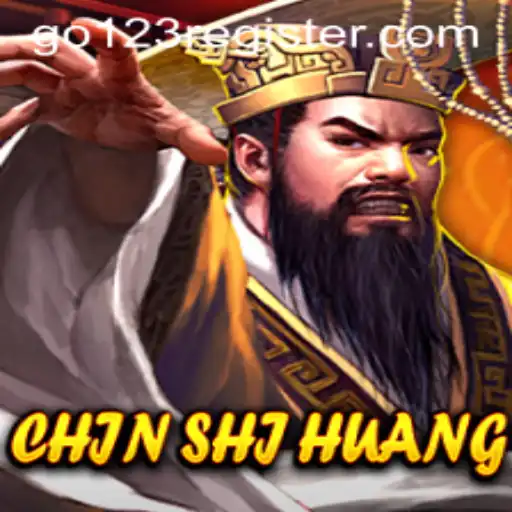
Dive into the mystical world of ChinShiHuang, a strategic game that challenges players with its complex rules and ancient lore. Discover how to master the game and its connection to current events.
Introduction to ChinShiHuang: The Ancient Strategy Game
ChinShiHuang is an enthralling strategy game that takes players on a journey through ancient Chinese history. At its core, the game emphasizes strategic thinking, tactical prowess, and the art of negotiation. Named after the legendary first emperor of China, Qin Shi Huang, the game has captivated players worldwide with its rich historical themes and complex gameplay mechanics.
The landscape of board games has seen a renaissance in recent years, but ChinShiHuang stands out due to its depth and historical context. This game not only entertains but also educates, offering players insights into ancient Chinese culture, military strategies, and the political machinations of the time.
The Game's Origins and Historical Background
ChinShiHuang draws inspiration from the life and times of Qin Shi Huang, the founding emperor of the Qin Dynasty, who is credited with unifying China in 221 BC. Known for his ambitious projects, like the initial construction of the Great Wall and the Terracotta Army, Qin Shi Huang's era was marked by significant transformations in governance, warfare, and culture.
This historical backdrop serves as the foundation for the game, which seeks to immerse players in the challenges faced by the emperor as he sought to consolidate power and maintain his empire. The game masterfully combines elements of strategy and myth, providing a captivating experience that appeals to history buffs and strategy enthusiasts alike.
Understanding the Rules of ChinShiHuang
ChinShiHuang is designed for two to six players, with each player assuming the role of a feudal lord vying for dominance in ancient China. The game board is a detailed map of the Qin Dynasty's territories, divided into various provinces, each with its own resources and strategic importance.
Objective: The primary objective of the game is to expand your territory, accumulate resources, and ultimately assume the title of Emperor. Players must employ a combination of military tactics, alliances, and diplomatic maneuvers to achieve victory.
Setup: Each player begins with a small territory and a limited number of resources. The players then take turns selecting starting provinces, with the option to form initial alliances or make strategic moves to hinder opponents.
Gameplay: The game unfolds over a series of rounds, each representing a year in the Qin Dynasty. During each round, players take turns executing a variety of actions, such as recruiting troops, building fortifications, forging alliances, and engaging in battles. Resource management is crucial, as players must balance their military expenditures with economic growth.
Combat is resolved through a combination of strategic positioning and dice rolls, simulating the unpredictability of ancient warfare. Players must also navigate the dynamic political landscape, with opportunities for alliances and betrayals adding a layer of complexity to the game.
ChinShiHuang in a Modern Context
In today's rapidly changing world, ChinShiHuang offers a unique opportunity for players to explore timeless themes of power, leadership, and strategy. The game's historical setting resonates with current geopolitical tensions, echoing the delicate balance of power and diplomacy seen on the global stage.
Moreover, ChinShiHuang encourages players to think critically about resource management and strategic planning, skills that are increasingly relevant in both personal and professional settings. As the game continues to gain popularity, it serves as a potent reminder of the enduring nature of strategic thinking and its implications for modern society.
The Cultural Impact of ChinShiHuang
The game's influence extends beyond the gaming realm, inspiring interest in ancient Chinese history and culture. Educational institutions have begun to incorporate ChinShiHuang into their curricula, using the game as a tool to teach students about the complexities of governance and military strategy in ancient times.
ChinShiHuang has also sparked conversations about historical accuracy and representation in media. While the game takes creative liberties for gameplay purposes, it has prompted discussions about the portrayal of historical events and figures in entertainment and the importance of maintaining cultural integrity.



0 Comments